Surfing
Surfing Cerritos Beach: What to Expect Month by Month
Cerritos works nearly year round, which is unusual. But summer and winter are two different beaches, and which one you want depends on how long you have been surfing.
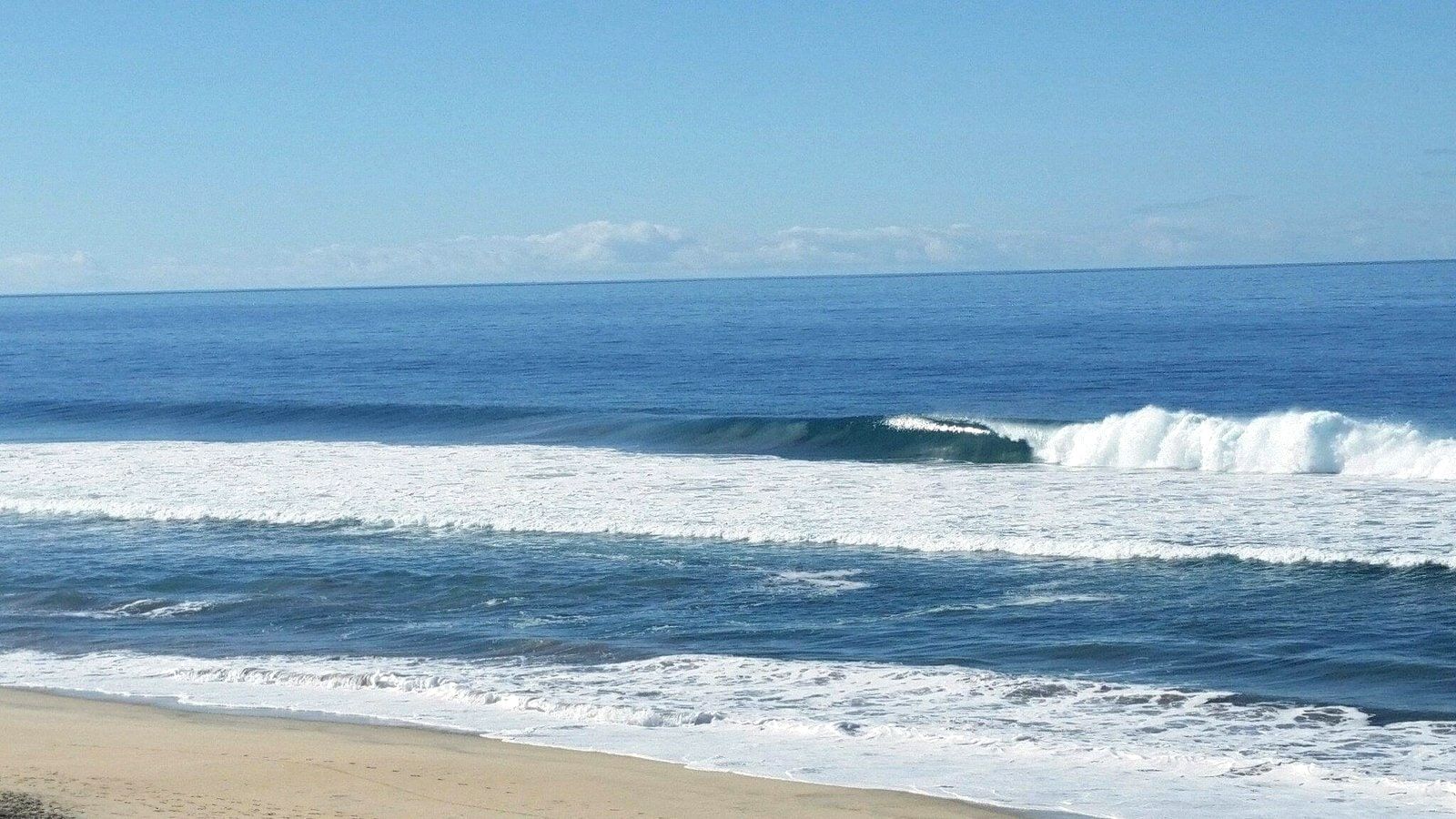
Playa Los Cerritos is a sandy-bottomed right that breaks off a rocky point at the southern end of the bay. It peels rather than closing out, the bottom is forgiving, and it picks up swell from more directions than most of this coast. That combination is why it has become the beach people learn on in southern Baja.
It also means the wave changes character through the year. Here is what to expect.
Summer: June to October
Best for beginners and longboarders.
Southern hemisphere swell arrives smaller and more spread out. The wave is mellow, the sets are further apart, and the water is warm enough that most people surf in boardshorts or a swimsuit. Mornings are usually the cleanest, before the afternoon wind arrives.
This is when a first lesson makes the most sense. The consequences of falling off are small, the paddle out is easy, and you are not fighting the cold.
The caveat: this is also hurricane season in the eastern Pacific. Most storms pass well offshore and simply deliver a few days of larger, better surf. Occasionally one comes closer and the ocean is off limits for a day or two. It is worth watching the forecast in September, the most active month.
Winter: November to March
Best for consistency and size.
North Pacific swell arrives more often and with more power. This is the most reliable season, and the cleanest surf of the year usually falls in these months. It can get well overhead on the bigger days.
The water is noticeably cooler. Most people want a wetsuit, or at least a spring suit, through the middle of winter.
This is a better season for intermediate surfers than for first-timers, though beginners can still find manageable days, particularly at the northern end of the beach where the waves are smaller.
Shoulder: April and May
The transition. Winter swell tails off, summer swell has not fully arrived, and the beach is quieter than either high season. Water is warming. Days can be small, but when a swell does arrive there is often nobody on it.
Which end of the beach
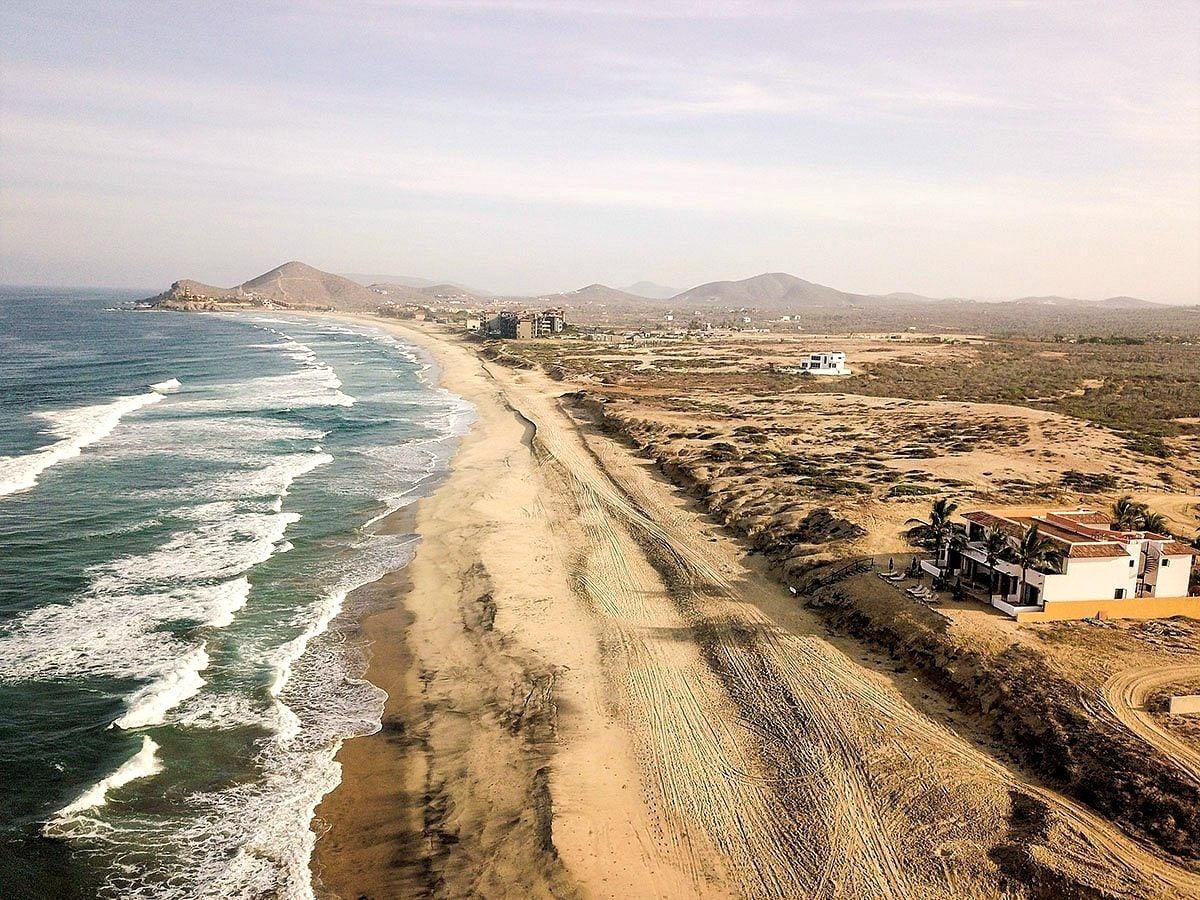
The break is at the southern end, by the point. That is where the surf schools set up and where the crowd concentrates on a good day.
The northern end is a long open stretch with smaller, less organised waves. It is where you go if the point is crowded, or if you are learning and want space. The Cerritos Beach Inn sits at this end, which means a short walk south when it is working and a quiet stretch of sand the rest of the time.
Lessons and boards
Board rental and instruction are available on the beach year round. Our surf partner, Pescadero Locales Surf School, teaches directly in front of the hotel: small groups, local instructors, and sessions matched to your level. Reception books it for you.
If you have never surfed, plan your trip for June through October and take a lesson in the morning. If you have surfed for a few years and want size, come between November and March and bring a wetsuit.
A practical note on mornings
Whatever the season, the wind is the deciding factor most days. It usually comes up in the late morning or early afternoon and puts texture on the water. Surfers here get up early not out of virtue but because the first few hours after sunrise are consistently the best of the day.
Breakfast at The Sunset starts at eight, which is late enough for a session first.